Lavender Wreath: A Designer’s Craft Fair Review
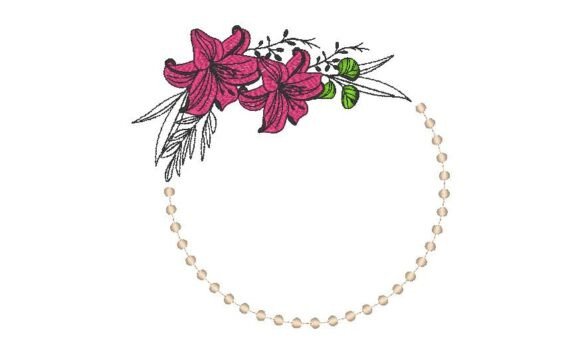
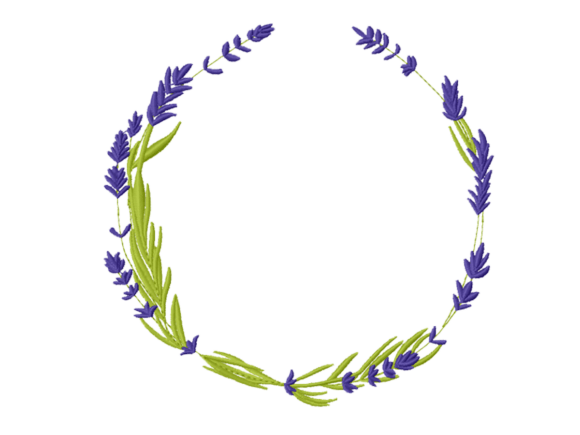
As an embroidery designer who has spent countless weekends behind a craft fair table, I have learned that not all designs are created equal when it comes to sales. Some look beautiful on a screen but vanish in a busy booth. Others become instant bestsellers because they hit the sweet spot between visual appeal and production efficiency. Today, I am reviewing Lavender Wreath, a machine embroidery design that promises to spruce up fabrics with a charming, whimsical touch. After analyzing its potential for t-shirts, towels, and home decor, I believe this piece holds significant promise for handmade shop owners and Etsy sellers looking to expand their Floral Wreaths collection.
First Impressions: Whimsy Meets Marketability
The first thing that strikes me about Lavender Wreath is its mood. It does not scream for attention with aggressive boldness; instead, it invites the viewer in with a soft, rustic elegance. In the context of a craft fair, where customers are often overwhelmed by bright colors and loud graphics, this design offers a moment of calm. It feels farmhouse-adjacent but modern enough to appeal to younger buyers looking for boutique-quality items. The description notes that it brings personality to any item, and I agree. It strikes a balance between decorative and minimal, making it versatile enough for both serious home decor and playful accessories.
For an embroidery business owner, this aesthetic is crucial. It suggests a premium handmade product rather than a mass-produced commodity. When I visualize this design on a display table, I see it anchoring a cohesive brand identity centered on nature, comfort, and artisanal quality. It is the type of Embroidery work that signals care and attention to detail, which is exactly what drives higher price points in small shop products.
Product Applications: Where This Design Shines
To truly evaluate a digital embroidery file, you must imagine it on physical goods. Here is how I see Lavender Wreath performing across various craft fair staples:
- Tote Bag Design: This is perhaps the strongest application. A linen or canvas tote with this wreath centered on the front becomes an immediate grab-and-go item. The circular nature of the wreath frames the space perfectly, drawing the eye to the center without overwhelming the fabric.
- Tea Towel Embroidery: Kitchen textiles are high-volume sellers. Placing this design in the corner or center of a flour sack towel creates a giftable item that feels personal. The whimsical touch mentioned in the description pairs well with the casual nature of kitchen linens.
- Apron Embroidery: For boutique makers, an apron featuring this floral motif elevates a utility item into a fashion statement. It works particularly well on bib aprons where the wreath can sit prominently on the chest pocket area.
- Embroidered Patch: If the design scales down well, turning it into an iron-on or sew-on patch allows customers to customize their own jackets or bags. This expands your product line without requiring new inventory.
- Pillow Covers and Home Decor: On neutral-toned pillowcases, the lavender hues (assuming appropriate thread colors) would add a subtle pop of color that fits seamlessly into modern living rooms.
While caps and curved surfaces are popular, I would approach those with caution. Depending on the stitch density and the complexity of the wreath’s details, the curvature of a cap might distort the image. However, for flat surfaces like market bags and fabric pouches, the design should remain crisp and clear.
Production Practicality for Busy Makers
When preparing for a weekend craft fair, time is money. A design that takes ten hours to stitch is rarely practical for batch production. While the specific stitch count for Lavender Wreath is not provided in the brief, the description implies a "fun and whimsical" style, which often correlates with moderate stitch densities. This is good news for commercial embroidery operations. Lower to medium stitch density means faster run times, allowing you to produce more finished products in less time.
Photography is another critical factor. This design appears to photograph well because wreaths are inherently symmetrical and balanced. For your Etsy listings, this means you can create clean, attractive printable mockup images that clearly show the design’s value. Customers scrolling through online markets need to understand the product at a glance. A clear, recognizable floral shape performs better than abstract or overly complex patterns that lose clarity in thumbnail views.
Careful-Use Notes and Technical Considerations
Even the best designs have limitations. As you prepare to turn this digital embroidery file into physical goods, keep these technical points in mind:
- Fabric Texture: Textured towels or thick fabrics can swallow small details. If the lavender sprigs within the wreath are very fine, ensure your needle and thread weight are appropriate to maintain definition.
- Thread Colors: Contrast is key. On dark fabric, you may need to use a lighter underlay or choose brighter thread colors to ensure the design pops. Test your thread colors against your most common fabric choices before committing to a large batch.
- Stabilizer Selection: Always use the right stabilizer. For stretchy t-shirts, a cut-away stabilizer is essential to prevent puckering. For woven towels, a tear-away might suffice, but test first to ensure the stitches hold securely after washing.
- Scaling Issues: If you plan to use this as a small accent on a pouch, check that the tiny details do not merge together. Designs that look great at four inches might become muddy at two inches.
Boosting Brand Consistency and Buyer Engagement
Using a consistent design element like Lavender Wreath across multiple product types helps build brand recognition. When a customer sees the same charming motif on a tote bag, a tea towel, and a patch, they begin to associate that specific aesthetic with your brand. This consistency strengthens your booth display, making it look curated and professional rather than random.
Furthermore, this type of design encourages buyer engagement. It is approachable and friendly. Customers are more likely to pick up an item that feels warm and inviting. In a sea of generic merchandise, a well-executed floral wreath signals that the item is a unique handmade product, crafted with intention. This perception of value allows you to price your items competitively while maintaining healthy margins.
Final Designer Recommendations
Before you launch this design into your shop, follow these steps to ensure success:
- Test on Scrap Fabric: Never skip the test stitch. Run the design on the exact fabric you plan to sell to check for puckering or thread breaks.
- Check Hoop Size: Confirm the required hoop size matches your machine’s capabilities. If the design requires a large hoop, ensure you have the necessary frames for efficient production.
- Verify Licensing: Always confirm the commercial licensing terms of the digital embroidery file. Ensure you have the right to sell finished products made with this design.
- Create Real Mockups: Instead of relying solely on digital renderings, stitch one sample item and photograph it in natural light. Real photos convert better than generic mockups because they show the true texture and quality of the embroidery.
In conclusion, Lavender Wreath is a strong contender for your next craft fair lineup. Its whimsical yet elegant style appeals to a broad audience, and its versatility across tote bags, towels, and home decor makes it a flexible asset for any embroidery business. By paying attention to stitch density, fabric choice, and presentation, you can turn this charming design into a reliable revenue stream for your small shop.