Mama Bear and Cub Embroidery Design Review
As an embroidery designer who has spent years digitizing for small businesses, I approach every new machine embroidery design with a critical eye. It is not just about whether the image looks cute on a screen; it is about how that design translates into thread, how it holds up on fabric, and most importantly, how it serves the brand identity of the client using it. Recently, I evaluated the Mama Bear and Cub Embroidery Design, a piece categorized under Wild Animals and Embroidery, to determine its viability for commercial use. This review focuses on its application for branded patches, custom apparel, and small business merch rather than simple home decor.
First Impressions: Visual Personality and Brand Fit
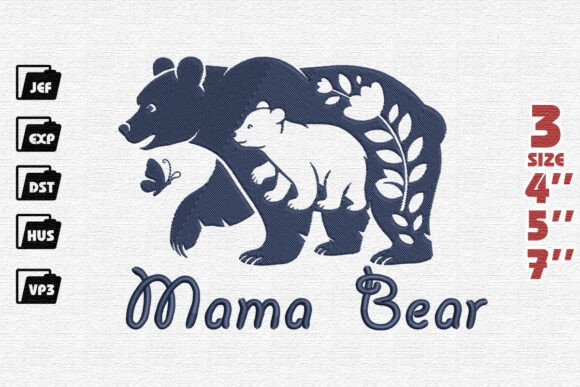
The initial view of this digital embroidery file reveals a silhouette style that immediately strikes a balance between protective strength and tender affection. The description notes an artistic silhouette featuring a protective mother bear, with the inside of her form filled with details. This suggests a layered approach to digitizing that can add depth without excessive complexity. For a boutique owner or a creative studio, this aesthetic feels rustic yet premium. It does not scream "cheap souvenir"; instead, it whispers "handmade quality."
The visual personality here is versatile. It is friendly enough for a family-oriented bakery but bold enough for an outdoor gear shop. When considering brand identity, this design offers a narrative of care and resilience. For businesses in the pet industry, floristry, or local artisan markets, this imagery aligns perfectly with values of nurturing and natural beauty. It avoids the overly cartoonish trap that many animal designs fall into, maintaining a level of elegance that appeals to adult consumers as well as children.
Performance in Real Business Applications
The true test of any embroidery file is its performance across various substrates. I analyzed how the Mama Bear and Cub Embroidery Design would function in several common commercial scenarios.
- Embroidered Patches: This is perhaps the strongest use case. The silhouette format works exceptionally well for iron-on or sew-on patches. A patch allows the business to control the background color, ensuring high contrast regardless of where the customer applies it. It becomes a portable piece of brand identity.
- Apron Embroidery: For bakeries, florists, or craft studios, staff uniforms are walking billboards. Placing this design on the chest pocket area of a canvas apron adds a touch of warmth. The protective nature of the bear motif resonates with the care taken in handmade products.
- Cap Embroidery: Caps present a curved, challenging surface. If the design is scaled correctly, it can serve as a subtle side emblem or a front-center logo. However, the curvature requires careful attention to distortion during hooping.
- Tote Bag Design: Canvas totes are staples for Etsy sellers and boutique merchandise. The design’s organic lines complement the textured weave of cotton canvas, enhancing the handmade product feel.
- Custom Apparel: On work shirts or hoodies, this design can act as a left-chest accent. It is small enough to be professional but distinct enough to be recognized from a distance.
For event merch or customer gifts, this design adds perceived value. A simple t-shirt becomes a keepsake when adorned with meaningful art. The emotional connection customers feel toward the "Mama Bear" archetype can drive buyer engagement and foster loyalty.
Critical Considerations for Production
While the design is promising, there are areas where caution is necessary. As a designer, I always advise checking specific technical details before committing to a large production run. Since the exact stitch count, file format, and hoop size are not explicitly detailed in the brief description, you must verify these specs with the provider.
Stitch Density and Fabric Texture: Silhouette designs with internal fill patterns can sometimes have high stitch density. On lightweight fabrics like thin cotton tees, this can cause puckering. Always use a proper stabilizer—cut-away for stretchy fabrics and tear-away for stable wovens. Test the design on the actual fabric texture you plan to use. If the fabric is highly textured, like a thick wool blend, fine details inside the bear’s form might get lost.
Scale and Legibility: When reducing the design for small patch sizes or cap fronts, ensure the internal details do not merge. If the "inside of her form" contains intricate elements, they may become a blob of thread at smaller scales. I recommend creating a printable mockup at 50% and 75% scale to check for clarity. If the design relies on tiny lettering or extremely fine outlines, it may not survive frequent washing on items like work shirts or aprons.
Thread Colors and Contrast: The success of this design hinges on contrast. On dark uniforms, a light thread color is essential. However, if the design uses multiple colors within the silhouette, ensure they distinguish well against each other. A monochrome version (single color fill) might be more versatile for corporate branding where consistency is key.
Enhancing Brand Identity and Trust
Using a cohesive set of design assets is crucial for professionalism. The Mama Bear and Cub Embroidery Design can serve as a cornerstone for a seasonal collection or a specific product line. When customers see consistent, high-quality embroidery on your packaging accents, thank-you cards, or merchandise, it builds trust. It signals that you care about the details.
For handmade brands, this design reinforces the narrative of craftsmanship. It moves the product from a commodity to a curated experience. Whether used on a label for a baby clothing line or as a logo accent for a pet grooming service, it communicates safety and love. This emotional resonance is a powerful tool for customer retention.
Practical Designer Notes for Implementation
Before launching this design into your commercial embroidery workflow, follow these steps to ensure a flawless finished product:
- Test in Black and White: Stitch out the design in a single color first. This helps you evaluate the shape and density without the distraction of thread colors. It reveals if the silhouette holds its integrity.
- Check Hoop Size Compatibility: Confirm the maximum dimensions of the design. Ensure it fits within your standard hoops without requiring excessive re-hooping, which can lead to misalignment.
- Review Commercial Licensing: Never assume a digital file includes commercial rights. Read the license terms carefully. Ensure you are allowed to sell items made with this machine embroidery design and whether there are limits on production volume.
- Create Client Mockups: If you are designing for a client, place the design on a digital photo of their actual garment. This manages expectations and allows for approval before stitching begins.
- Compare with Other Assets: Place this design beside your existing logos or graphics. Does it clash stylistically? Or does it complement your current visual language? Consistency is key to strong brand recognition.
In conclusion, the Mama Bear and Cub Embroidery Design is a strong contender for small business merchandise. Its artistic silhouette offers a blend of warmth and professionalism that suits a wide range of industries. By paying attention to stitch density, fabric choice, and scale, you can transform this digital file into a tangible asset that enhances your brand identity and delights your customers. Always prioritize testing and verification to ensure every stitched piece meets your high standards for quality.