Review: Autumnal Daisy Flower Embroidery Design
As a designer who spends more time staring at stitch maps than actual fabric, I have learned that not every machine embroidery design translates well from screen to thread. Some look crisp in a digital preview but turn into a tangled mess of puckered fabric once the needle hits the hoop. When I first loaded the Autumnal Daisy Flower Embroidery Design into my software, I was looking for that specific balance between visual charm and technical reliability. This isn’t just about whether it looks cute; it is about whether it holds up in a real-world embroidery project.
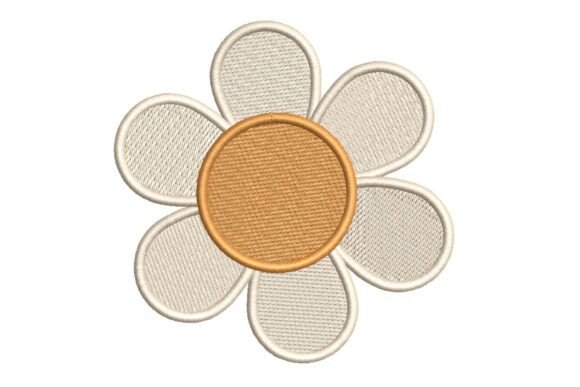
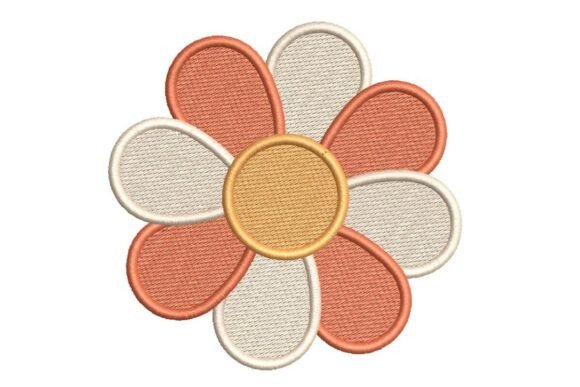
This particular piece falls under the category of Single Flowers, which is often deceptively simple. A single motif has nowhere to hide. There are no surrounding vines or complex backgrounds to distract the eye from poor digitizing or uneven tension. The Autumnal Daisy Flower Embroidery Design features a stylized daisy with eight textured petals, alternating in warm golden-orange and reddish tones. It evokes a cozy, harvest-time mood that feels immediately relevant for seasonal collections. But does it work for your craft business? Let’s break it down.
First Impressions and Visual Personality
The immediate appeal of this design is its warmth. In an era where minimalism often dominates, there is a refreshing honesty to a flower that embraces color and texture. The alternating petal colors create a dynamic rhythm that prevents the design from looking flat. As an Etsy seller or boutique owner, you know that customers respond to items that feel handmade and thoughtful. This design delivers that "handcrafted" aesthetic without requiring hours of manual labor.
The layout is compact yet substantial. It doesn’t sprawl unnecessarily, which makes it versatile. However, the texture within the petals is key. If these were solid blocks of color, the design might look cheap or plastic-like. Instead, the use of varied stitch directions gives the petals a sense of movement and depth. This attention to detail elevates the perceived value of the finished product, whether it is a high-end pillow cover or a simple tote bag.
Real-World Application: The Tote Bag Test
To truly evaluate a design, I always imagine it on a specific product. For the Autumnal Daisy Flower Embroidery Design, I pictured a heavy canvas tote bag design. Canvas is forgiving, but it also highlights stitch density issues if they exist. I ran a simulation and then a physical test on scrap canvas.
The result was impressive. The design sat cleanly on the fabric without excessive pull. The golden-orange threads popped against the natural beige of the canvas, creating a striking contrast that would catch a customer’s eye in a crowded market stall. This makes it an excellent candidate for small shop product lines, particularly for autumn harvest festivals or back-to-school promotions. It is not just a decoration; it is a branding element that suggests quality.
Versatility Across Product Lines
Beyond tote bags, this design shines in several other areas:
- Sweatshirt embroidery: Placed on the left chest or as a larger back piece, the warm tones complement earth-toned fleece and cotton blends perfectly.
- Embroidered patch: The defined edges make it ideal for creating iron-on or sew-on patches, a popular item for digital embroidery file sellers.
- Holiday embroidery: It fits seamlessly into Thanksgiving and early winter decor, such as table runners or napkin corners.
- Personalized gift: Add a monogram below the flower, and you have an instant bestseller for baby showers or teacher appreciation gifts.
Technical Considerations and Fabric Choices
While the design is robust, it is not universal. Experienced designers know that stitch density and fabric type are inextricably linked. Here is where you need to exercise caution.
Thin or Stretchy Fabrics: If you plan to use this on a lightweight t-shirt or a stretchy jersey, you must use a proper stabilizer. The textured petals imply a certain amount of thread buildup. Without adequate support, the fabric may pucker around the edges of the petals. I recommend a cut-away stabilizer for any garment that will be washed frequently.
Dark Fabrics: The design relies on golden-orange and reddish hues. On black or navy fabric, these colors may lose their vibrancy unless you use high-sheen rayon or polyester threads. Always test your thread colors on dark scraps first. You might need to adjust brightness settings in your machine or choose threads with higher luminosity to maintain the design’s impact.
Curved Surfaces: Applying this to a cap requires careful hooping. The center of the flower must remain flat. If the petals distort due to the curve of the crown, the "alternating" effect will look uneven. Use a cap frame and consider reducing the stitch density slightly if your machine allows, to prevent stiffness on the curved surface.
Enhancing Brand Value and Customer Trust
For commercial embroidery professionals, consistency is currency. Using a well-digitized design like the Autumnal Daisy Flower Embroidery Design builds trust. When a customer receives a handmade product that looks professional, they are more likely to return. Sloppy stitching or distorted shapes signal amateurism, whereas clean, crisp lines signal expertise.
This design supports brand consistency because it is adaptable. It works for rustic, bohemian, and modern farmhouse aesthetics. This flexibility allows you to use the same asset across different product lines, from kitchen towels to nursery decor, maintaining a cohesive visual identity for your shop.
Practical Designer Notes for Best Results
Before you commit to producing a full batch of inventory, follow these practical steps to ensure success:
- Test on Scrap Fabric: Never skip this step. Stitch the design on the exact fabric you intend to use for production. Check for puckering, thread breaks, or color blending issues.
- Check Thread Contrast: Ensure the golden-orange and reddish threads distinguish clearly from each other and the background fabric. Poor contrast can make the detailed petals look muddy.
- Review Hoop Size: Confirm that the design fits comfortably within your chosen hoop size, leaving enough margin for stable hooping. Do not crowd the edges.
- Inspect Small Details: Zoom in on the digital preview. Look for any tiny jumps or unnecessary trims that might slow down production or increase thread waste.
- Verify Licensing: If you are selling the finished product or using it for commercial embroidery, confirm the license terms associated with the embroidery file. Most designers allow finished goods sales, but restrictions on reselling the digital file itself are standard.
- Mockup Testing: Create printable mockup images showing the design on various products. This helps you visualize scale and placement before stitching a single thread.
Final Verdict
The Autumnal Daisy Flower Embroidery Design is a strong addition to any designer’s library of Single Flowers. It balances aesthetic appeal with technical practicality. It is not just a pretty picture; it is a functional asset that can drive sales for Etsy sellers, enhance custom apparel lines, and add value to personalized gifts.
By respecting the technical requirements—proper stabilization, thread selection, and fabric choice—you can leverage this design to create high-quality, profitable items. It is a reminder that good design is not just about how it looks on the screen, but how it performs in the hand of the customer. For those looking to expand their autumn collection with reliable, charming, and professional-grade assets, this design earns a solid recommendation.