Reviewing the My Back Hurts Embroidery Design for Craft Fairs
As an embroidery designer who has spent countless weekends behind a booth table, I know that the difference between a browsing customer and a buying customer often comes down to relatability. We are not just selling thread on fabric; we are selling personality, humor, and connection. Recently, I had the chance to review the My Back Hurts Embroidery Design, a digital file that promises to add a touch of whimsical charm to handmade products. After testing it on various materials and visualizing its potential for a busy market day, I have formed a clear opinion on how this design performs in the real world of small business sales.
First Impressions: Whimsy Meets Relatability
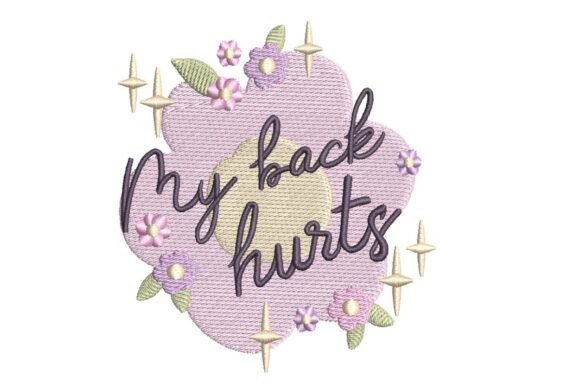
The first thing that strikes you about the My Back Hurts Embroidery Design is its tone. It is not trying to be overly elegant or strictly minimalist. Instead, it leans into a playful, conversational aesthetic. The description highlights a playful script encircled by decorative elements, which suggests a balanced composition. For a craft fair environment, this is crucial. Customers walking past a booth need to read and understand a design in under three seconds. This design achieves that immediate comprehension.
The mood is distinctly humorous yet soft. It fits perfectly into the current trend of "relatable self-care" humor that dominates social media and boutique retail. It does not feel aggressive; rather, it feels like a gentle nod to the universal experience of aging or working hard. This makes it an excellent candidate for the Inspirational category, albeit with a wink. It transforms a complaint into a charming statement piece.
Product Versatility and Market Fit
When preparing for a weekend craft fair, I always look for designs that can cross-pollinate across multiple product types. The My Back Hurts Embroidery Design shines in this area. Here is how it performs on key items:
- Tote Bags: This is arguably the strongest application. A canvas tote with this design becomes an instant conversation starter. The circular framing works well centered on a bag, providing a focal point that draws the eye without overwhelming the fabric.
- Aprons: For the home cook or the gardener, this design adds personality. Placed on the bib or the lower skirt of an apron, it turns a utilitarian item into a giftable handmade product.
- Tea Towels: Kitchen textiles are high-volume sellers. The design’s script style complements the texture of linen or cotton towels, provided the stitch density is appropriate for the weave.
- Caps and Hats: Curved surfaces are tricky, but if the design is scaled correctly, it works well on the front panel of a dad hat or trucker cap. It appeals to a demographic that appreciates low-key humor.
- Patches and Pouches: As an embroidered patch, this design can be ironed onto jackets or bags, expanding its utility. On small pouches, it serves as a cute accent that elevates the perceived value of the item.
For Etsy sellers and digital creators, this design also offers strong potential for printable mockups. The clear script and circular border create a clean silhouette that photographs well against neutral backgrounds, making it easier to create compelling listing images.
Production Practicalities for the Small Shop Owner
From a production standpoint, efficiency is key. When running a small shop, you need designs that are repeatable and reliable. The My Back Hurts Embroidery Design appears to be structured for clarity. However, there are critical technical considerations every embroiderer must address before launching a full batch.
First, consider the stitch density. Script fonts with surrounding decorative elements can sometimes become dense in the center. If you are stitching on thin fabric like a tea towel, you must use a cut-away stabilizer to prevent puckering. On thicker fabrics like canvas tote bags, a tear-away might suffice, but always test first. The circular enclosure suggests a contained design, which is good for hoop stability, but ensure your hoop size matches the design dimensions to avoid unnecessary re-hooping.
Thread contrast is another vital factor. Because the design relies on script readability, using thread colors that blend too closely with the fabric will render the text illegible. For example, stitching white thread on a cream tote bag might look subtle, but it defeats the purpose of the message. High-contrast combinations, such as navy on natural canvas or black on light gray, will ensure the "My back hurts" message pops from a distance.
Navigating Technical Challenges
While the design is charming, it requires careful handling in certain scenarios. Tiny details in the encircling elements may get lost if the design is scaled down too small for patches or baby items. Always check the minimum recommended size provided with the digital embroidery file. Additionally, textured fabrics like waffle-weave towels can distort fine lines. In such cases, using a water-soluble topping can help the needle penetrate smoothly and keep the stitches crisp.
If you are applying this to dark fabrics, remember that standard polyester threads may not cover the background completely if the stitch count is low. You may need to adjust your tension or choose a design variant with higher density if available. Always inspect the finished product under good lighting to ensure no gaps in the lettering.
Boosting Brand Consistency and Buyer Engagement
Incorporating the My Back Hurts Embroidery Design into your lineup can strengthen your brand identity if you position yourself as a maker of witty, high-quality goods. It signals to customers that you understand their lifestyle and sense of humor. This emotional connection drives buyer engagement. When a customer laughs at a product, they are more likely to pick it up, examine the stitch quality, and ultimately purchase it.
For booth displays, group this design with other relatable phrases to create a themed section. This creates a cohesive visual story that draws people in. It transforms individual items into a collection, encouraging multiple purchases. Whether used as a standalone statement on a pillow cover or as part of a gift set with a matching mug, the design adds significant perceived value.
Final Designer Notes and Recommendations
Before you commit to producing inventory, follow these essential steps:
- Test on Scrap Fabric: Never run a new design on final product material without a test stitch-out. Check for thread breaks and registration issues.
- Verify Licensing: Ensure the digital embroidery file includes commercial licensing rights. Most designers allow finished product sales, but confirm this before listing on Etsy or at fairs.
- Create Mockups: Take high-quality photos of the stitched design on different colored fabrics. Compare how it looks on light versus dark backgrounds to determine your best-selling colorways.
- Check File Formats: Confirm that the download includes the specific format compatible with your machine (such as PES, DST, or JEF) to avoid conversion errors that could distort the script.
The My Back Hurts Embroidery Design is a strong contender for any maker looking to add humor and heart to their inventory. It balances aesthetic appeal with practical readability, making it a versatile asset for tote bags, aprons, and gifts. By paying attention to stabilizer choice, thread contrast, and fabric texture, you can produce a high-quality finished product that resonates with customers and stands out in a crowded marketplace.