Simple Red Flower: A Designer’s Review for Craft Fair Success
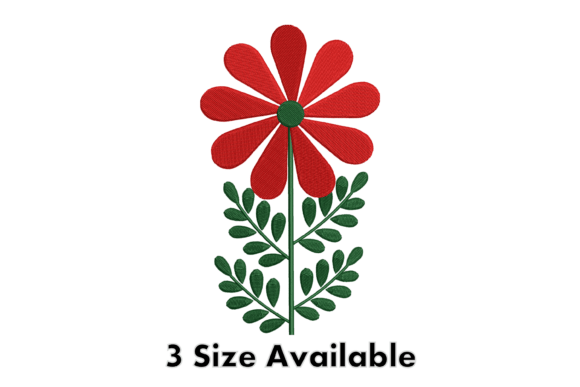
As an embroidery designer who has spent countless weekends behind a booth table, I have learned that the difference between a design that sits on the shelf and one that flies out the door often comes down to clarity and impact. When I first loaded the Simple Red Flower into my digitizing software, my immediate thought was not about complexity, but about visibility. In the chaotic environment of a handmade market, you have seconds to catch a passerby’s eye. This design, categorized under Single Flowers, offers a bold, clean aesthetic that cuts through visual noise.
First Impressions and Visual Impact
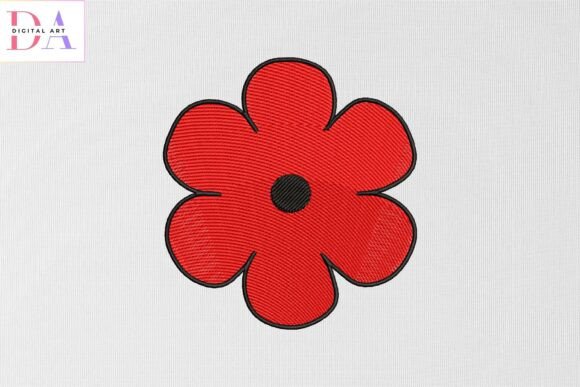
The description promises a "bold, clean, and versatile floral pattern," and in practice, it delivers exactly that. The five-petal structure is iconic and universally recognized, which removes any barrier to understanding for the customer. It does not try to be overly rustic or excessively modern; instead, it lands in a sweet spot of timeless appeal. For a craft fair seller, this is gold. You do not want a design that requires explanation. You want a design that communicates joy and simplicity instantly.
The use of bright red is strategic. Red is an attention-grabbing color that signals energy and warmth. When stitched out, the Simple Red Flower feels decorative yet minimal. It avoids the clutter that can sometimes plague floral Embroidery designs, making it suitable for a wide demographic, from young parents buying baby items to adults looking for chic home decor.
Strategic Product Placement for Maximum Sales
To maximize revenue, you must match the design to the right substrate. Here is how I would deploy this machine embroidery design across a typical product line:
- Tote Bags: This is arguably the best application. A large-scale version of the flower centered on a canvas tote creates an instant statement piece. It transforms a basic bag into a desirable tote bag design that customers can visualize using for grocery runs or beach days.
- Aprons and Tea Towels: For kitchenware, scale matters. On an apron, place the flower near the pocket or chest area for a cute accent. For tea towel embroidery, ensure the stitch density is low enough to prevent puckering on thin cotton. The clean lines of the five-petal shape hold up well even when washed repeatedly.
- Embroidered Patches: Because the design is self-contained with no sprawling vines, it makes an excellent candidate for an embroidered patch. These are high-margin small shop products that appeal to impulse buyers who might not want a full garment but love the aesthetic.
- Caps and Hats: Curved surfaces are tricky. The simplicity of this design works in your favor here. However, you must be cautious with the center of the flower. If the stitches are too dense, they may pull on the stiff fabric of a cap front.
Production Practicality and Batch Efficiency
For those of us running small businesses, time is money. The Simple Red Flower shines in its repeatability. Because it lacks intricate shading or tiny, fragile details, it is forgiving during production. You can hoop multiple items quickly without worrying about complex alignment issues that plague more detailed digital embroidery file options.
When preparing for a busy weekend market, I recommend creating a batch of "quick wins." Use this design on fabric pouches or small pillow covers. The fast stitch time allows you to produce inventory rapidly, ensuring your booth looks full and abundant. A full booth sells better than an empty one, and efficient designs make that abundance possible.
Technical Considerations and Careful Use
While the design is robust, it is not without its technical demands. As a professional, I always advise testing before committing to final stock. Here are critical points to consider:
- Stitch Density: Check the density settings in your software. If the red fill is too heavy, it will create a stiff patch on soft fabrics like jersey knits. Adjust the underlay and fill spacing to maintain fabric drape.
- Fabric Texture: On textured towels or thick denim, the clean lines might get lost if the thread weight is too fine. Use a heavier rayon or polyester thread to ensure the petals pop against the background.
- Dark Fabrics: Red on black can look striking, but red on navy or dark green might lack contrast. Always stitch a test sample on your intended fabric color to ensure the thread colors stand out as intended.
- Stabilizer Choice: For stretchy fabrics, a cut-away stabilizer is non-negotiable to prevent distortion. For woven cottons used in apron embroidery, a tear-away may suffice, but always test for residue.
Enhancing Brand Consistency and Online Appeal
Beyond the physical booth, this design serves as a strong asset for your online presence. An Etsy seller needs images that stop the scroll. The bold nature of the Simple Red Flower photographs beautifully. It creates high-contrast images that look professional in printable mockup scenarios or real-life flat lays.
Using this design consistently across different products helps build brand recognition. If a customer sees the same distinct red flower on your tote bags, patches, and pillows, they begin to associate that simple elegance with your brand. This consistency adds perceived value to your finished product lineup.
Final Designer Notes for Commercial Success
Before you launch this as a commercial embroidery product, take these final steps. First, verify the license terms of the design assets you purchased. Ensure you have the rights to sell finished goods made with this file. Second, check the recommended hoop size. While the design is versatile, stitching it too small may cause the petals to merge, losing the clean definition that makes it special.
Create at least one high-quality mockup or real-life photo of the design on a neutral background. Compare it against other floral designs in your shop. Does it offer something different? Yes, its simplicity is its strength. In a world of over-complicated patterns, the Simple Red Flower offers a breath of fresh air. It is a reliable, profitable, and visually appealing choice for any craft fair product lineup. By focusing on clear execution and smart product placement, this single flower can bloom into a significant revenue stream for your handmade business.