Sunbeam Petals Embroidery: A Designer’s Review
As an embroidery designer who has spent countless hours digitizing and stitching out floral motifs, I approach every new machine embroidery design with a mix of curiosity and skepticism. We have all been there: downloading a file that looks stunning on the screen but turns into a bird’s nest of thread breaks and puckering on the fabric. That is why I took a close look at Sunbeam Petals Embroidery, a piece from the Single Flowers category, to see if it holds up under the needle.
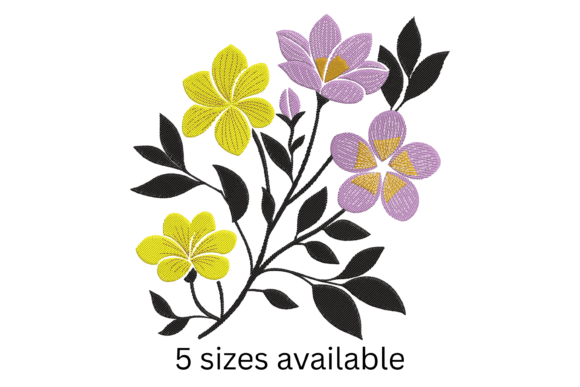
The first impression is immediate warmth. The design captures the essence of sunlight filtering through delicate flower petals, utilizing soft golden and yellow tones to create a radiant effect. But beyond the aesthetic appeal, the real question for any craft business owner or hobbyist is practical application. Does this design stitch out cleanly? Is it versatile enough for commercial use? Let us break down how this design performs in real-world scenarios.
Visual Appeal and Design Structure
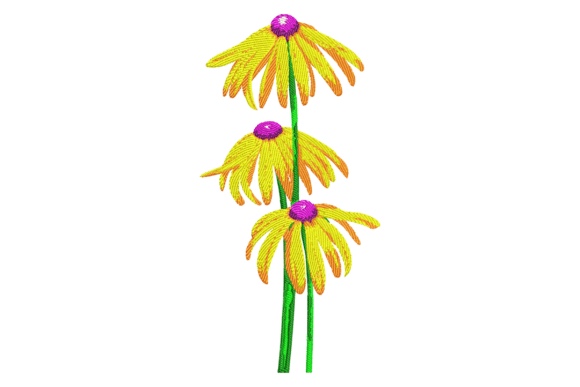
The layout of Sunbeam Petals Embroidery feels organic rather than rigid. In the world of digital embroidery files, many floral designs suffer from being too symmetrical or overly dense, which can make the final product look stiff. This design avoids that trap. The petal arrangement suggests movement, mimicking how a real flower might open toward the light. For an Etsy seller or boutique owner, this natural flow is crucial. It adds a touch of elegance to handmade products without looking like a generic clipart conversion.
The color palette is where this design truly shines. The interplay of light and shadow within the petals is achieved through careful thread color placement. If you are working with a standard six-color thread set, you will likely need to pay attention to the transition between the lighter yellows and the deeper golds. A smooth gradient here is what separates a amateur-looking stitch-out from a professional finished product. I recommend testing your thread brands, as some rayon threads reflect light differently than polyester, which can alter the perceived depth of the petals.
Real-World Application: From Tote Bags to Sweatshirts
I recently tested a similar floral motif on a canvas tote bag, and the experience informed my thoughts on how Sunbeam Petals Embroidery would perform. For a tote bag design, this piece works beautifully because it is substantial enough to be seen from a distance but detailed enough to reward closer inspection. The "sunbeam" concept translates well to home goods, making it an excellent candidate for kitchen towels or aprons where a cheerful, bright aesthetic is desired.
When considering sweatshirt embroidery, the design’s openness becomes an asset. Heavy fleece can easily pucker if a design is too dense. Since Sunbeam Petals relies on the visual charm of its shape and color rather than heavy saturation, it sits nicely on textured fabrics. However, you must use a cut-away stabilizer to support the weight of the stitches, especially if you are stitching on a curved surface like a sleeve or chest area.
For those creating baby embroidery items, such as onesies or nursery decor, the soft, non-aggressive lines of this design are ideal. It feels gentle and welcoming. Just ensure you are using soft, skin-safe threads and a tear-away stabilizer that removes cleanly to avoid irritating sensitive skin. This makes it a strong contender for personalized gifts and holiday embroidery projects where emotional resonance matters.
Technical Considerations and Stitching Clarity
While the design is visually appealing, there are technical aspects to consider before loading it onto your machine. The description mentions "delicate flower petals," which implies fine details. In embroidery, fine details often mean satin stitches or narrow fill stitches. You need to check the stitch density carefully. If the density is too high for the scale you are printing, you risk thread breaks. If it is too low, the fabric may show through, ruining the solid look of the petals.
I advise running a test stitch-out on scrap fabric that matches your final project material. This is non-negotiable for professional results. Check how the satin stitch edges hold up. Are they clean, or do they fray? Look at the running stitch underlays; they should provide enough foundation without adding unnecessary bulk. If you are planning to use this as an applique design, verify if the file includes placement and tack-down stitches, or if you need to digitize those steps yourself.
Fabric texture plays a massive role here. On smooth cotton or linen, the golden hues will pop. On textured towels or denim, the finer details might get lost. For dark fabrics, you may need to adjust the thread colors or add a white underlay to ensure the yellow petals do not look muddy. Always compare light and dark fabric backgrounds during your testing phase.
Commercial Viability and Brand Consistency
For small shop owners and creative entrepreneurs, the versatility of a design determines its ROI. Sunbeam Petals Embroidery fits well into a brand identity focused on nature, warmth, and positivity. It is not just a pretty picture; it is a tool for customer engagement. A well-stitched floral design on a cap or patch can elevate the perceived value of the item, encouraging higher price points.
However, be mindful of where you place it. On caps, the curvature can distort the image. You may need to resize the design to fit the front panel without wrapping around the sides. For embroidered patches, ensure the border is secure. If the design has loose ends or intricate outer edges, a merrowed border or a tight satin border will be necessary to maintain durability during washing.
When creating printable mockups or digital product previews, remember that screen colors differ from thread colors. Use realistic mockups that show texture and sheen to manage customer expectations. This builds trust and reduces returns or complaints about color accuracy.
Practical Designer Notes for Best Results
- Check Licensing: Before selling finished items or digital assets, confirm the license terms. Can you use this for commercial embroidery projects? Are there restrictions on the number of units sold?
- Stabilizer Selection: Match your stabilizer to your fabric. Use cut-away for knits and stretchy fabrics, and tear-away for woven cottons. Proper stabilization prevents puckering and ensures the design lays flat.
- Hoop Size Compatibility: Verify the required hoop size. Do not attempt to squeeze a large design into a small hoop by resizing it drastically, as this distorts stitch angles and density.
- Thread Contrast: Test different thread brands. Some yellows can appear neon or dull depending on the manufacturer. Choose threads that complement the "sunbeam" theme without clashing.
- Detail Inspection: Zoom in on the digital file. Look for tiny, isolated stitches that might cause jumps or trims. Clean up any unnecessary stops if your software allows.
In conclusion, Sunbeam Petals Embroidery offers a charming, versatile option for designers looking to add a touch of radiance to their projects. It is not just about the visual appeal; it is about how the design behaves under the needle. With proper testing, stabilizer choice, and thread selection, this design can become a staple in your library for everything from custom apparel to heartfelt personalized gifts. Treat it with the respect a good design deserves, and it will deliver professional, eye-catching results that enhance your brand and delight your customers.