Minimalist Flower Line Art: A Designer’s Review
As an embroidery designer who has spent countless weekends behind a craft fair booth, I have learned that not every design translates well from screen to stitch. When I first loaded the Minimalist Flower Line Art into my digitizing software, my immediate reaction was one of relief. In a market saturated with overly complex, dense fills, this machine embroidery design offers a breath of fresh air. It feels modern, elegant, and undeniably premium. For those of us running small shops or selling on Etsy, finding a design that balances aesthetic appeal with production efficiency is the holy grail.
First Impressions and Visual Appeal
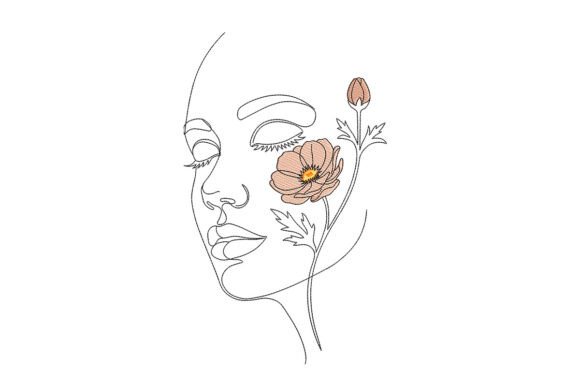
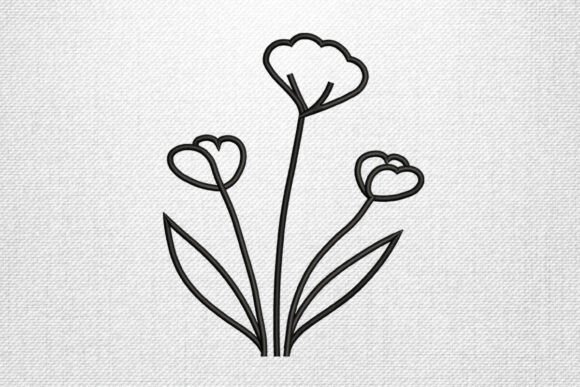
The title says it all, but the execution is what matters. This design falls squarely into the category of Outline Flowers, relying on clean, continuous lines rather than heavy satin stitches or fill patterns. My first impression was that it looks sophisticated without trying too hard. It does not scream for attention with bright, clashing colors; instead, it invites the viewer to look closer. This subtlety is crucial for high-end handmade products. It feels less like a novelty item and more like a curated piece of art.
For a craft fair seller, visual clarity is key. Customers walking past your booth have seconds to decide if they will stop. The Minimalist Flower Line Art stands out because of its negative space. On a busy display table, this design allows the fabric texture to shine through, creating a tactile experience that digital prints cannot replicate. It reads as "boutique" immediately, which helps justify a higher price point for your finished product.
Versatility Across Product Lines
One of the strongest selling points of this embroidery file is its adaptability. The description notes it is available in three sizes, which is essential for a versatile product line. Here is how I see it performing across different items:
- Tote Bags and Market Bags: This is perhaps the ideal application. A large version of the design centered on a canvas tote creates a striking focal point. The open line work prevents the bag from becoming stiff, maintaining the soft drape customers love.
- Aprons and Tea Towels: For kitchen textiles, simplicity wins. Embroidering this on the corner of a linen tea towel or the bib of a cotton apron adds a touch of whimsy without overwhelming the utility of the item. It feels like a thoughtful, giftable handmade product.
- Caps and Hats: Curved surfaces are tricky. Because this design uses outlines rather than dense fills, it is less likely to pucker the fabric of a cap. However, you must ensure the hoop size matches the curve of the hat properly.
- Wall Art and Pillows: For home decor, the minimalist aesthetic fits perfectly with current interior trends. Stitched on a neutral pillow cover, it acts as subtle texture rather than loud decoration.
Production Practicality for Small Shops
From a business perspective, time is money. As an Etsy seller or boutique maker, you need designs that are repeatable and reliable. The Minimalist Flower Line Art excels here. Because it lacks dense stitch areas, it runs faster on the machine. This means you can produce more units in less time, increasing your profit margin. Furthermore, there is less thread waste and fewer trim jumps, which reduces post-production cleanup.
Photography is another critical factor. Online listings rely on clear, crisp images. Line art photographs beautifully because the shadows created by the raised stitches add depth without creating visual noise. Whether you are creating a printable mockup for your digital store or photographing a finished product for social media, the clean lines ensure the design remains legible even in thumbnail views.
Technical Considerations and Careful Use
While this design is forgiving, it is not without its technical requirements. As a professional, I must highlight a few areas where caution is needed to ensure a quality finished product.
- Fabric Texture: On highly textured fabrics like waffle-weave towels or thick wool, thin lines can get lost. Ensure you choose a fabric with a tight enough weave to support the detail of the outline.
- Thread Contrast: Since this is a line-based design, the contrast between the thread and the fabric is vital. A low-contrast combination (like beige thread on cream fabric) may look elegant but could disappear from a distance. Test your thread colors against your background fabric before committing to a batch.
- Stabilizer Choice: Even though the stitch density is low, stabilization is non-negotiable. Use a cut-away stabilizer for stretchy fabrics like T-shirts and jackets to prevent distortion over time. For woven fabrics like tote bags, a tear-away may suffice, but always test first.
- Small Details: If you use the smallest size option, ensure your machine can handle the fine details. Tiny gaps in line art can close up if the tension is too tight or if the needle is dull.
Enhancing Brand Consistency
Using a cohesive design style helps build brand recognition. If your shop focuses on modern, clean aesthetics, the Minimalist Flower Line Art reinforces that identity. It signals to your customers that you value quality and contemporary design. This consistency builds trust, encouraging repeat buyers who appreciate your specific curatorial eye.
Moreover, this design serves as an excellent base for customization. You can easily pair it with simple sans-serif lettering for personalized gifts, such as names on tote bags or monograms on pillows. The open nature of the flower allows text to sit comfortably nearby without creating a cluttered look.
Final Designer Notes
Before you list this as a commercial embroidery product or start stitching for your next fair, take these practical steps. First, always test the design on scrap fabric identical to your final product. Check the spacing between lines to ensure they do not merge during stitching. Second, confirm the specific file formats included in the download to ensure compatibility with your machine. The description mentions three sizes, but verify the exact hoop dimensions required for each.
Finally, review the licensing terms. If you are selling finished products, ensure you have the right to use the digital embroidery file for commercial purposes. Most designers allow this, but it is always best to be certain.
In conclusion, the Minimalist Flower Line Art is a strong contender for any embroidery business looking to expand its offerings. It balances beauty with practicality, offering a modern look that appeals to a wide range of customers. By paying attention to fabric choice, thread contrast, and stabilization, you can turn this simple design into a best-selling staple of your craft fair booth or online store.