Review: Retro Orange and Beige Daisy Embroidery Design
As a designer who spends more time staring at stitch maps than actual fabric, I have learned that the difference between a good machine embroidery design and a great one often comes down to context. It is not just about how the digital preview looks on a screen; it is about how those threads interact with fiber, tension, and the end user’s expectations. Recently, I pulled up the Retro Orange and Beige Daisy Flower Embroidery Design to evaluate its potential for an upcoming batch of custom orders. What struck me immediately was not just the aesthetic, but the practical versatility hidden within its simple silhouette.
First Impressions: Warmth in Every Stitch
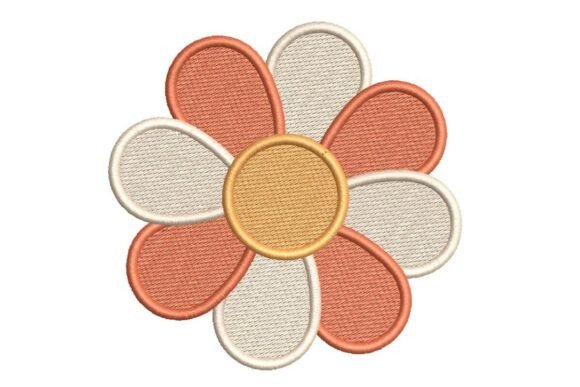
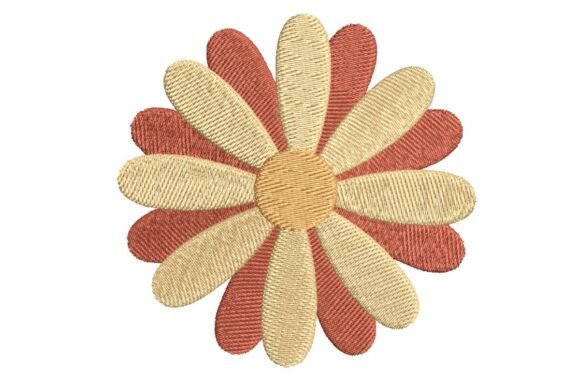
The first thing you notice about this piece is its mood. In a market saturated with hyper-realistic florals and overly complex mandalas, there is a refreshing honesty to this stylized daisy. The alternating petals, shifting between a rich reddish-orange terracotta and a soft, creamy beige, create a visual rhythm that feels distinctly retro. It evokes the warmth of 1970s ceramics or vintage wallpaper, yet it remains clean enough for modern minimalism.
From a technical standpoint, the layout is balanced. The flower does not feel top-heavy or skewed, which is crucial when you are aiming for center-chest placements on apparel or centered motifs on home goods. The texture implied by the digitizing suggests a mix of fill stitch work for the petals and potentially finer detailing for the center, though I always recommend checking the specific embroidery file details before loading it onto your machine. This is a design that relies on color contrast rather than excessive density, which is a smart move for maintaining fabric drape.
Real-World Application: The Tote Bag Test
To truly understand the value of a design, you have to imagine it stitched out. I visualized this Retro Orange and Beige Daisy Flower Embroidery Design on a natural canvas tote bag. This is a staple product for many Etsy sellers and craft business owners. The terracotta tones pop beautifully against unbleached cotton, creating an earthy, organic vibe that appeals to customers looking for sustainable, handmade aesthetics.
However, the application goes beyond bags. I see this working exceptionally well as sweatshirt embroidery. On a heather grey or oatmeal-colored fleece, the beige petals would offer a subtle, tonal elegance, while the orange would provide the necessary focal point. For custom apparel, this design fits comfortably on the left chest of a denim jacket or the sleeve of a long-sleeve tee. It is small enough to be understated but detailed enough to be noticed. If you are creating a personalized gift, such as a monogrammed apron for a baker or a gardener, this daisy serves as a perfect decorative accent that does not overwhelm the utility of the item.
Navigating Fabric and Technique Challenges
While the design is charming, experienced embroiderers know that no design is universal. There are specific scenarios where you need to proceed with caution. Because this design falls under the category of Single Flowers, it likely has isolated elements. When working with stretchy fabrics like jersey knits for baby clothes, proper stabilization is non-negotiable. Without a cut-away stabilizer, the stitch density might cause puckering, distorting the perfect circular shape of the flower.
Additionally, consider the background. While the terracotta and beige look stunning on light or neutral fabrics, they may get lost on dark navy or black materials unless you use an underlay or choose brighter thread variations. If you are attempting this on an embroidered patch, ensure your hoop size accommodates the entire motif without hitting the edges, as trimming too close can compromise the structural integrity of the satin or fill stitches. For curved surfaces like caps, test the design on a scrap piece first to ensure the curvature does not distort the petal alignment.
Commercial Viability and Brand Consistency
For small shop product lines, consistency is key. This design offers a strong visual identity. It is recognizable, which helps in building brand recall. If you are selling digital embroidery file packages or finished goods, this daisy can serve as a signature element. It pairs well with other retro-inspired assets, allowing you to create cohesive collections for holiday seasons or spring launches.
From a buyer’s perspective, the clarity of the design translates to perceived quality. A clean, well-digitized flower suggests professionalism. When customers see a crisp finished product with no stray threads or distorted shapes, their trust in your handmade product increases. This is particularly important for commercial embroidery projects where clients expect durability and aesthetic precision. Whether it is a holiday embroidery gift or a year-round boutique item, the timeless nature of the daisy ensures it does not feel dated quickly.
Practical Designer Notes for Best Results
Before you commit to a large production run or list this as a new item in your store, take these practical steps to ensure success:
- Test on Scrap Fabric: Always stitch out a sample on the exact fabric weight and type you plan to use. This reveals any tension issues or registration errors.
- Check Thread Contrast: Use high-quality rayon or polyester threads. The difference between a matte and a shiny thread can change the retro vibe significantly.
- Review Stitch Density: If the design feels too stiff after stitching, consider adjusting the density settings in your software if you have the editable version, or choose a lighter fabric.
- Confirm Hoop Size: Ensure your machine’s hoop can accommodate the design dimensions without re-hooping, which can lead to misalignment.
- Mockup in Black and White: Convert your digital preview to grayscale. If the design loses its definition, you may need to adjust thread colors for better contrast on certain backgrounds.
- Verify Licensing: If you are an Etsy seller or running a craft business, confirm the license terms of the design assets. Ensure you are cleared for commercial use if you are selling the physical embroidered items.
Final Verdict
The Retro Orange and Beige Daisy Flower Embroidery Design is a solid addition to any designer’s library. It balances aesthetic appeal with technical practicality. It is not overly complex, which makes it accessible for hobbyists, yet it has enough stylistic character to satisfy professional apparel decorators and boutique owners. By paying attention to fabric choice and stabilization, you can leverage this design to create high-value, visually appealing products that resonate with customers seeking warmth and nostalgia in their handmade goods.